
Performance marketing is one of the most powerful and measurable approaches in modern digital advertising. In a world where brands demand accountability and data-driven results, performance marketing enables businesses to pay only for specific actions—such as clicks, leads, or sales—rather than vague impressions or reach.
Unlike traditional advertising models that focus on brand visibility, It focuses on outcomes. This shift has transformed how companies allocate budgets, track success, and scale campaigns. Whether you are a startup founder, digital marketer, or marketing student preparing for an SEO or digital advertising role, understanding it is essential for long-term success.
In this comprehensive guide, we’ll explore what performance marketing is, how it works, its key channels, benefits, challenges, and seven powerful strategies that can dramatically improve your return on investment.
What Is Performance Marketing?
Performance marketing is a digital marketing strategy where advertisers pay only when a specific action is completed. These actions may include:
- Clicks (CPC – Cost Per Click)
- Leads (CPL – Cost Per Lead)
- Sales (CPA – Cost Per Acquisition)
- App installs
- Form submissions
This model ensures accountability because every dollar spent is tied directly to measurable outcomes.
The core idea behind paid based advertisement is simple: track everything, optimize continuously, and scale what works.
How Performance Marketing Works
Performance marketing involves four primary players:
- Advertisers (Brands) – Companies promoting products or services.
- Publishers (Affiliates) – Websites or platforms promoting offers.
- Affiliate Networks or Platforms – Technology that tracks and manages campaigns.
- Consumers – The end users who take action.
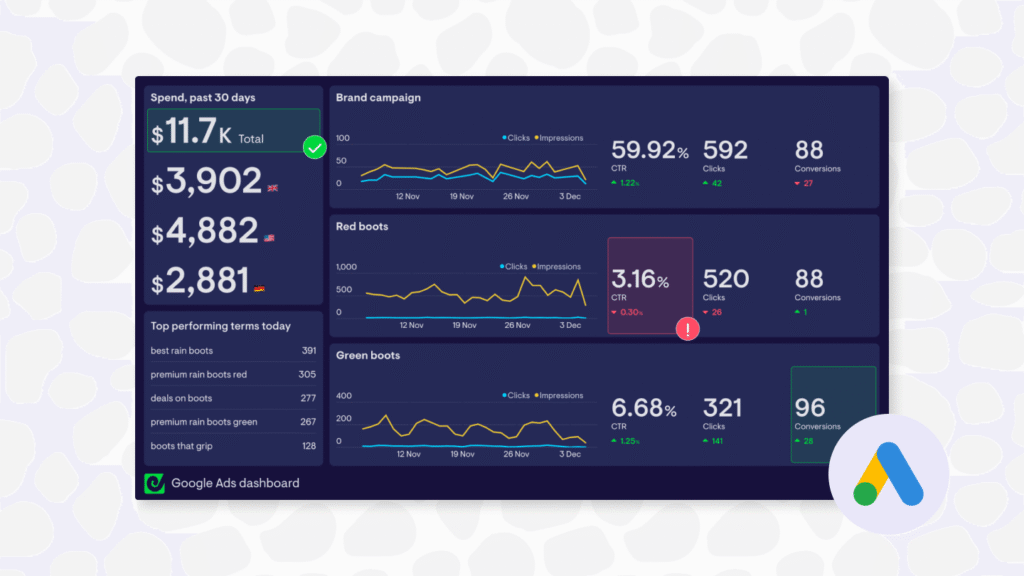
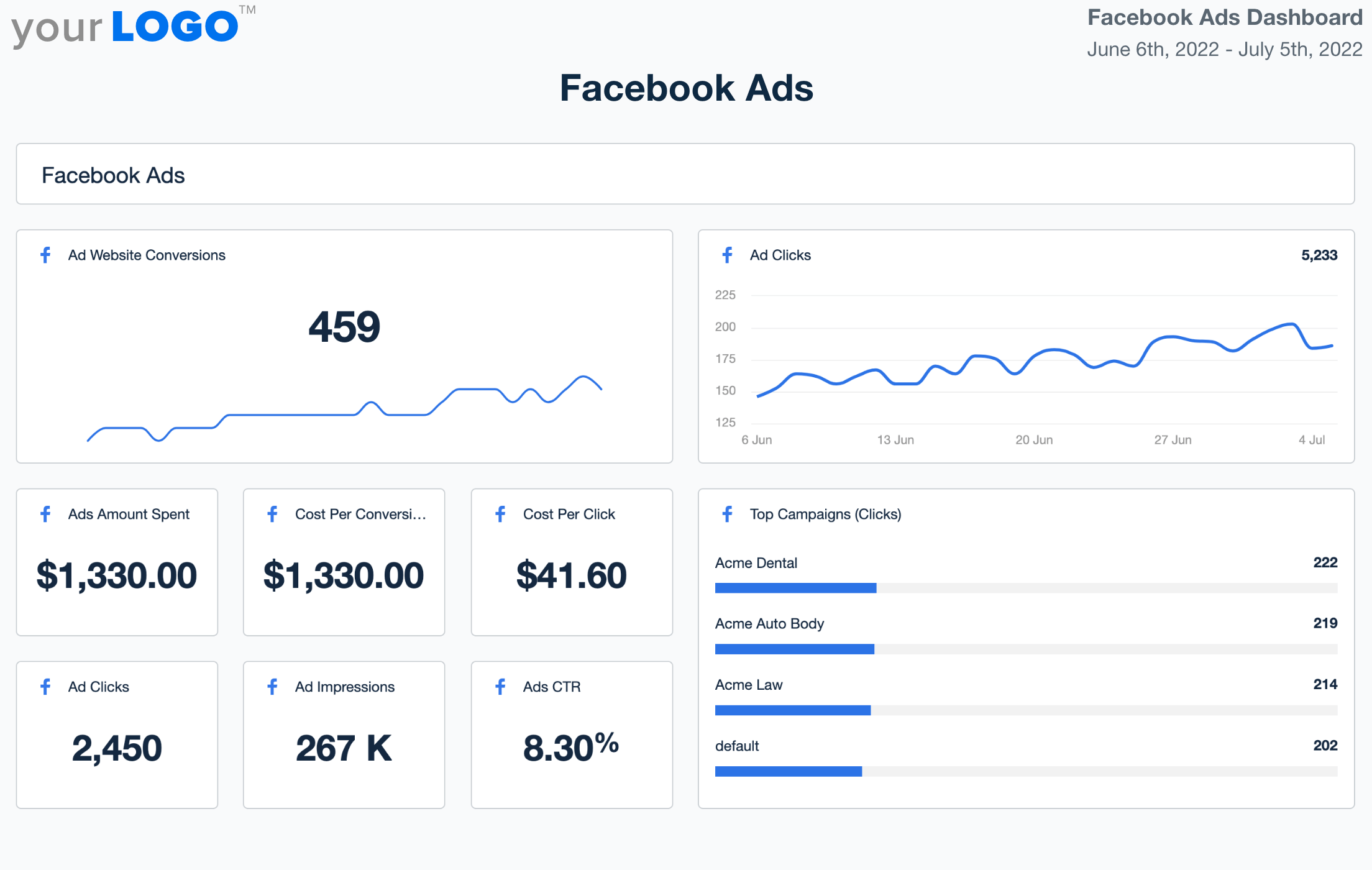
Tracking technology such as pixels, UTM parameters, and conversion APIs ensures accurate measurement. Platforms like:
- Google Ads
- Meta Ads
- LinkedIn Ads
- Amazon Advertising
provide detailed dashboards to monitor campaign in real time.
Key Channels in Performance Marketing
1. Paid Search Advertising

4
Paid search is one of the most popular performance marketing channels. Advertisers bid on keywords, and ads appear on search engine results pages.
Because users actively search for products or services, intent is high, making conversion rates strong. Businesses often start their journey with paid search due to its measurable ROI.
2. Social Media Advertising


4
Platforms like Facebook, Instagram, and LinkedIn offer highly targeted campaigns based on demographics, interests, and behavior.
Performance marketing on social media allows:
- Advanced audience segmentation
- A/B testing of creatives
- Real-time performance optimization
3. Affiliate Marketing
Affiliate marketing is a major component of paid advertisement. Brands partner with affiliates who promote products and earn commissions per sale or lead.
Popular affiliate networks include:
- ShareASale
- CJ Affiliate
This channel reduces upfront risk because advertisers only pay for actual conversions.
4. Display & Programmatic Advertising


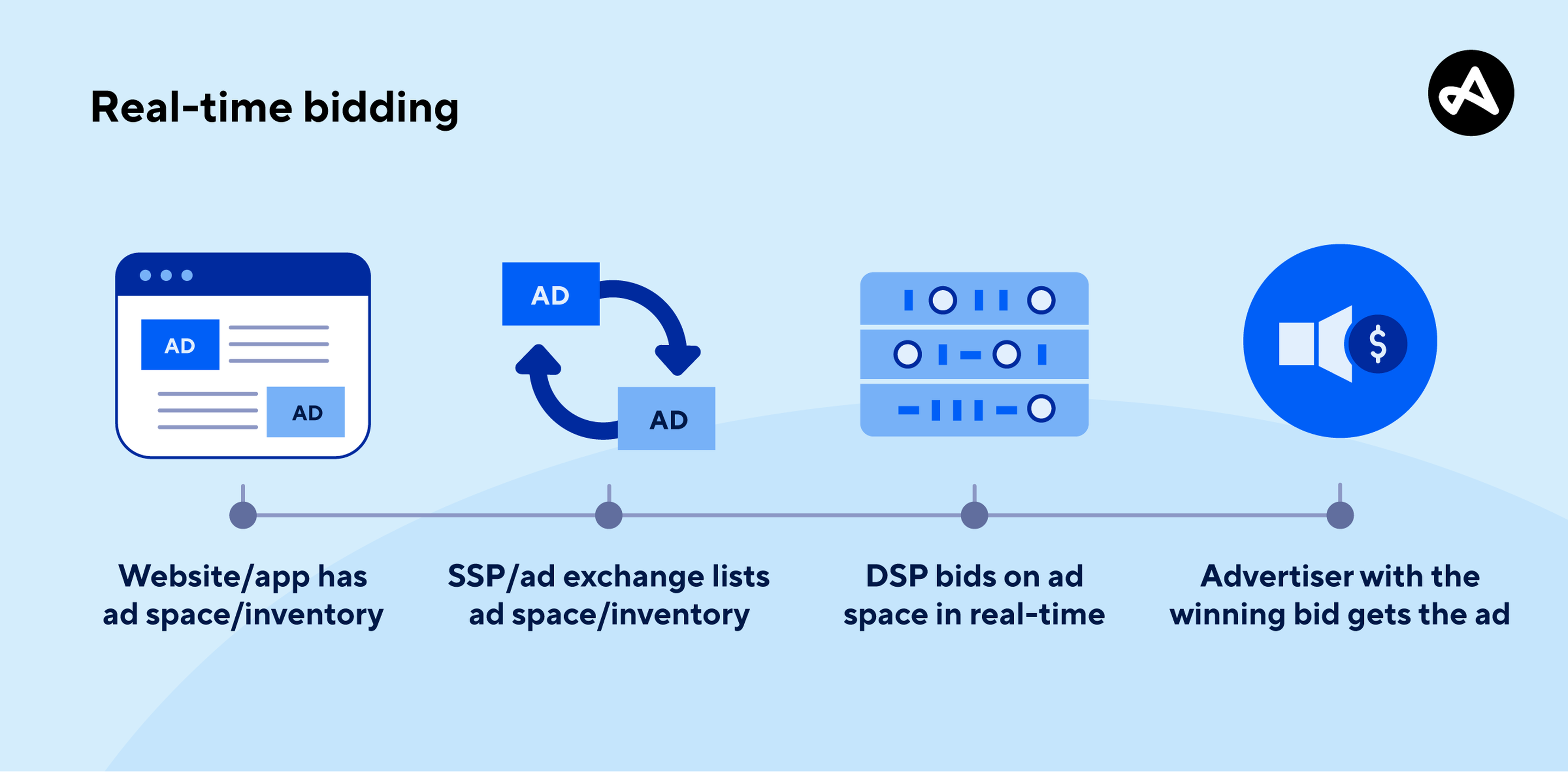
4
Programmatic platforms use automated bidding to display ads to targeted users across websites and apps. Performance marketing strategies here rely heavily on retargeting and behavioral data.
5. Influencer Performance Campaigns
Some influencers now operate on a performance marketing model where compensation is based on affiliate links, tracked codes, or measurable conversions.
Benefits of Performance Marketing
Itg offers several powerful advantages:
1. Measurable ROI
Every action is tracked, making it easy to calculate return on ad spend (ROAS).
2. Budget Control
You can scale campaigns that perform well and pause underperforming ones.
3. Data-Driven Decisions
Continuous optimization improves efficiency over time.
4. Low Risk
Since payment is tied to results, wasted spend is minimized.
5. Scalability
Winning campaigns can be expanded across geographies and audiences.
7 Powerful Strategies : –
1. Focus on High-Intent Keywords
Keyword research is the foundation of performance marketing in search campaigns. Target keywords with strong buying intent such as:
- “Buy”
- “Best price”
- “Discount”
- “Near me”
High-intent keywords often deliver better conversion rates.
2. Master Conversion Rate Optimization (CRO)
Traffic alone does not guarantee success. Optimizing landing pages improves performance marketing results significantly.
Best practices include:
- Clear headlines
- Strong call-to-action buttons
- Trust signals (reviews, testimonials)
- Fast loading speed
3. Use Retargeting Aggressively
Most users do not convert on the first visit. Retargeting ads remind them about your product and increase conversions.
It thrives on retargeting because it focuses on warm audiences who already showed interest.
4. Implement Advanced Tracking
Use:
- Conversion pixels
- UTM tracking
- Server-side tracking
Without accurate tracking, campaigns cannot be optimized effectively.
5. Optimize Creatives Continuously
Creative fatigue can reduce performance. Regularly test:
- Headlines
- Ad copy
- Images
- Video hooks
A/B testing is critical for improving campaigns.
6. Leverage Lookalike Audiences
Platforms like Meta allow advertisers to create lookalike audiences based on existing customers.
This expands reach while maintaining high conversion probability.
7. Monitor Key Metrics
Successful performance marketing depends on monitoring:
- CTR (Click-Through Rate)
- CPC (Cost Per Click)
- CPA (Cost Per Acquisition)
- ROAS (Return on Ad Spend)
- LTV (Lifetime Value)
Data should guide scaling decisions.
Common Mistakes to Avoid
Even experienced marketers make mistakes in performance marketing. Avoid these:
- Ignoring attribution models
- Not testing enough creatives
- Scaling too quickly
- Focusing only on traffic, not conversions
- Neglecting landing page optimization
Performance Marketing vs Traditional Marketing
Traditional marketing focuses on brand awareness through TV, radio, or print ads. Measurement is often indirect.
Performance marketing, however, focuses strictly on measurable outcomes. It aligns marketing spend directly with revenue.
This is why startups and digital-first companies prefer performance marketing over traditional channels.
The Role of Data and AI in Performance Marketing
Artificial intelligence is transforming performance marketing by:
- Automating bidding strategies
- Predicting user behavior
- Personalizing ad creatives
- Optimizing audience targeting
Machine learning algorithms continuously analyze data to improve results automatically.
Is Performance Marketing Suitable for Every Business?
It works exceptionally well for:
- E-commerce businesses
- SaaS companies
- Lead generation firms
- Subscription services
However, brand-new businesses without clear product-market fit may need brand awareness campaigns alongside performance marketing.
The Future of Performance Marketing
The future of performance marketing is privacy-focused and automation-driven. With changes in cookie tracking and stricter privacy laws, first-party data is becoming critical.
Businesses must:
- Build email lists
- Use CRM data
- Invest in server-side tracking
- Diversify acquisition channels
Despite evolving regulations, remains one of the most efficient growth engines in digital marketing.
Final Thoughts
Performance marketing is not just a trend—it is a powerful, measurable, and scalable approach to digital growth. By focusing on outcomes rather than impressions, businesses can maximize ROI and minimize wasted ad spend.
If you want to build a career in digital marketing or scale your company, mastering it is essential. From paid search and social ads to affiliate partnerships and advanced tracking, this strategy puts accountability and data at the center of every decision.
By applying the seven powerful strategies discussed above, you can create campaigns that not only drive traffic but also generate real revenue and sustainable growth.
It rewards those who test, analyze, and optimize continuously. When executed correctly, it becomes one of the most reliable engines for business expansion in the digital era.