
Introduction
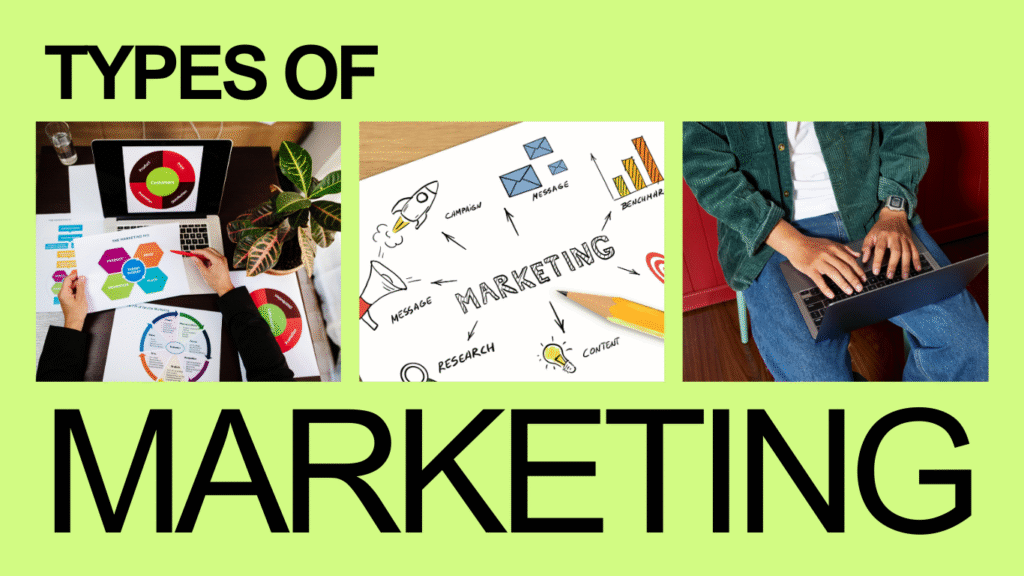
Type of marketing plays a crucial role in determining how a business attracts customers and generates revenue. Many businesses struggle not because they lack effort, but because they choose the wrong strategy.
Understanding the right type of for your goals can completely transform your growth journey.
In this guide, you will discover 12 powerful strategies that every business should understand and consider implementing.
Why Choosing the Right Type of Matters
Every business is different. A strategy that works for a fashion brand may not work for a B2B software company.
Selecting the correct type of helps you:
- Reach the right audience
- Optimize your budget
- Improve brand awareness
- Increase conversions
- Build long-term loyalty
When your strategy aligns with your business model, results become more predictable.
1. Digital Marketing
Digital marketing is one of the most popular types today.
It includes:
- Search engine optimization
- Social media marketing
- Email campaigns
- Online advertisin is ideal for businesses that want measurable results and global reach.
External Resource Example:
Google Digital Garage – https://learndigital.withgoogle.com
2. Content
Content focuses on providing value through blogs, videos, podcasts, and guides.
This type of builds trust and authority over time.
Instead of directly selling, you educate your audience and solve their problems.
Businesses that invest in content often see strong organic growth.
3. Social Media
Social media platforms allow brands to connect directly with customers.
It works best for building community and engagement.
Platforms like Instagram, LinkedIn, and YouTube help brands share stories, promotions, and updates.
Consistency is key for success.
4. Email Marketing
Email marketing remains one of the highest ROI strategies.
It allows businesses to communicate directly with their audience.
It works well for:
- Promotions
- Newsletters
- Product launches
- Customer retention
Personalization improves effectiveness significantly.
5. Influencer Marketing
Influencer marketing leverages trusted individuals to promote products.
The is effective because people trust recommendations from creators they follow.
It is especially powerful in industries like fashion, fitness, and technology.
Choose influencers whose audience matches your target market.
6. Affiliate
Affiliate involves partnering with individuals or websites that promote your product for a commission.
This type of reduces upfront risk because you only pay for performance.
It works particularly well in e-commerce and digital products.
7. Traditional
Traditi includes:
- TV advertisements
- Radio ads
- Print media
- Billboards
Although digital channels are growing, this type of marketing still works for local or mass audiences.
It builds brand recognition quickly when executed correctly.
8. Search Engine (SEM)
Search Engine Marketing focuses on paid advertising through search engines.
It delivers quick visibility.
Businesses bid on keywords to appear at the top of search results.
Internal Link Suggestion:
Link to your blog on “Beginner’s Guide to SEO Strategy”
SEM works well when you need immediate traffic.
9. Relationship Marketing
focuses on long-term customer loyalty instead of one-time sales.
This type of emphasizes:
- Customer service
- Personalized communication
- Loyalty programs
Building strong relationships increases repeat purchases.
10. Guerrilla Marketing
Guerrilla marketing uses unconventional and creative tactics to grab attention
It often relies on surprise and innovation.
It works well for small businesses with limited budgets but strong creativity.
11. Referral Marketing
Referral marketing encourages existing customers to recommend your product to others.builds trust because recommendations come from real users.
Offering incentives like discounts increases participation.
12. Partnership Marketing
Partnership marketing involves collaborating with complementary brands.
This allows both businesses to access new audiences.
Joint campaigns, webinars, and co-branded offers can expand reach efficiently.
How to Choose the Best Type of for Your Business
Not every strategy suits every business.
Consider:
- Your target audience
- Budget
- Business goals
- Industry type
- Available resources
Testing different approaches helps you determine which type of delivers the best return.
Data-driven decisions always outperform assumptions.
Common Mistakes When Selecting
Avoid these mistakes:
- Copying competitors blindly
- Spreading budget across too many channels
- Ignoring analytics
- Focusing only on short-term results
A structured approach ensures sustainable growth.
Image Suggestion for Blog
Alt Text:
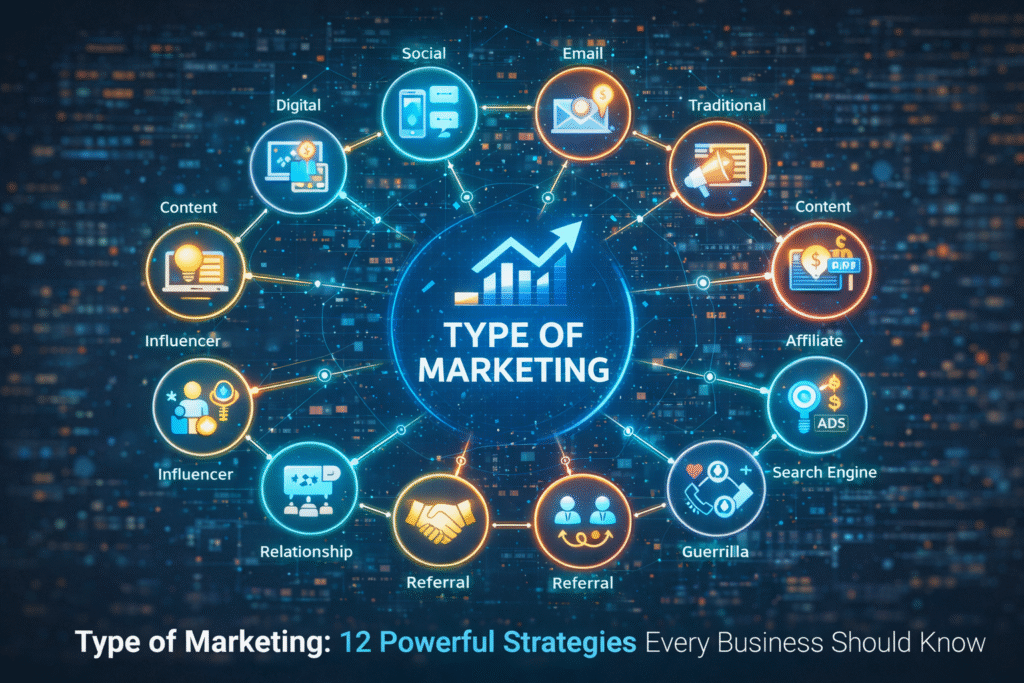
Type of strategies illustration showing digital, social, email, and traditional channels connected to business growth.
Final Thoughts
Understanding the right type of can shape your business success.
Instead of chasing every new trend, focus on strategies aligned with your audience and goals.
By implementing these 12 powerful strategies, businesses can:
- Improve brand visibility
- Increase engagement
- Generate more leads
- Boost long-term revenue
The key is consistency, testing, and continuous improvement.
Choose wisely, execute strategically, and refine based on results.